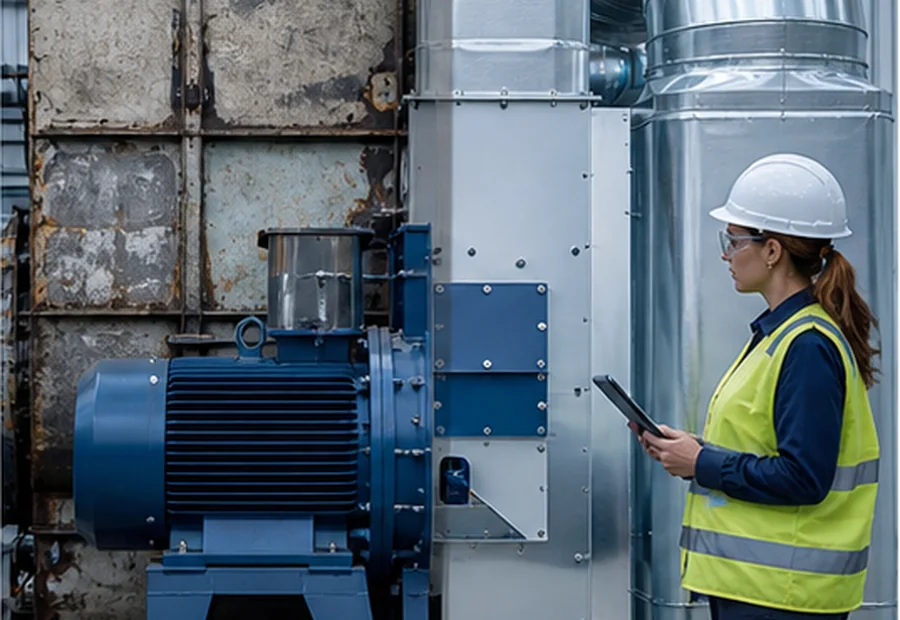
Automation connects the process to decisions
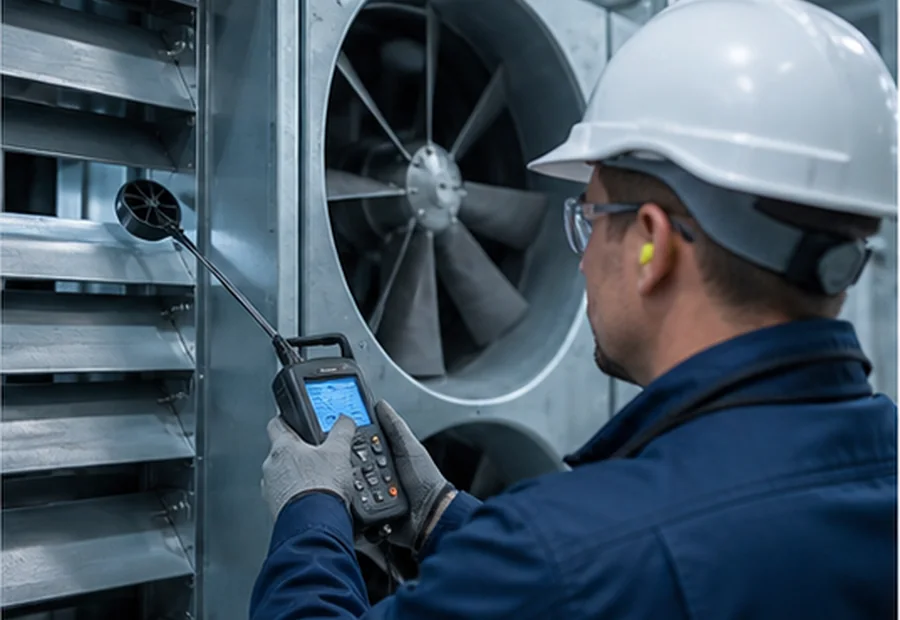
Sensors transform physical conditions into signals; control logic uses these signals to coordinate equipment and keep variables close to targets. Measurement quality is the basis of any strategy.
Interlocking and starting sequences also reduce the risk of operating components outside the expected conditions.
Control needs to respect the dynamics
Thermal and air systems have response times, limits and interactions. Aggressive adjustments can generate oscillation; slow adjustments may not follow production changes.
A good strategy combines local control loops, coordination between equipment and operating limits that the team can clearly understand.
Useful data for operation and maintenance
Trends, contextualized alarms and specific indicators help to recognize degradation before a stop. The interface should highlight decisions, not just hoard screens and signals.
Talk to our engineering team.
We assess process conditions, constraints and objectives before recommending a technical approach.
Talk to an expert