The savings depends on the real conditions
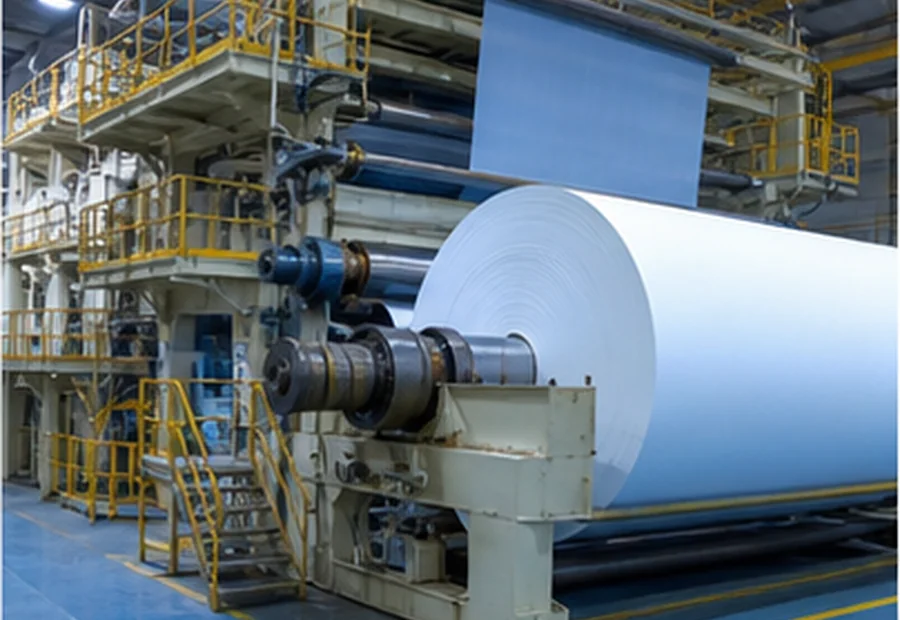
No single percentage applies to every machine. Production rate, basis weight, inlet moisture, steam pressure, cylinder condition and climate all influence thermal demand.
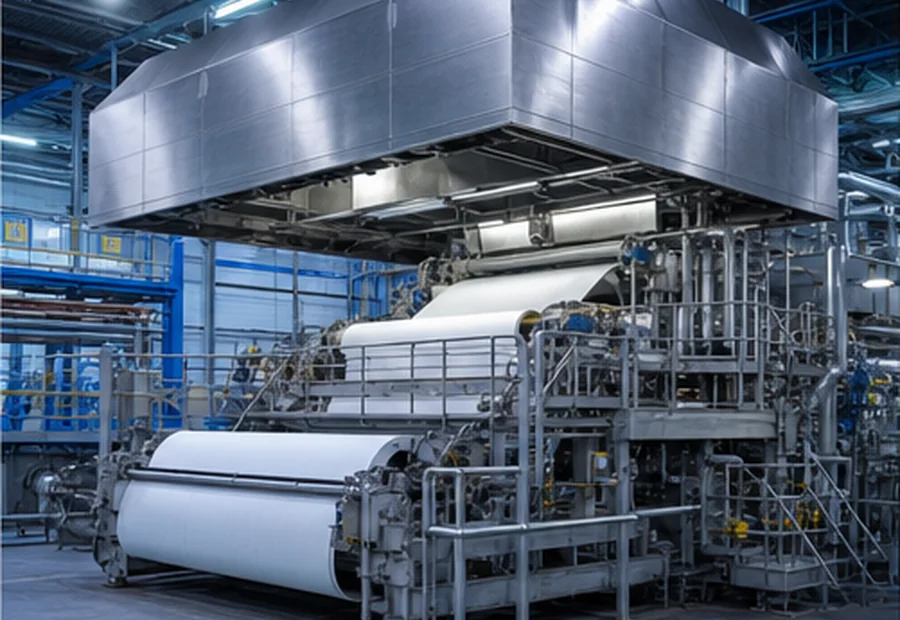
The hood influences this balance by containing humid air and allowing the exhaust system to operate at a higher moisture concentration, reducing unnecessary removal of heated air.
Variables that reveal the potential
Temperatures, humidity, flow rates, pressures and steam consumption should be recorded alongside the production recipe. Visible leaks and air infiltration matter, but a complete balance prevents overestimating any single opportunity.
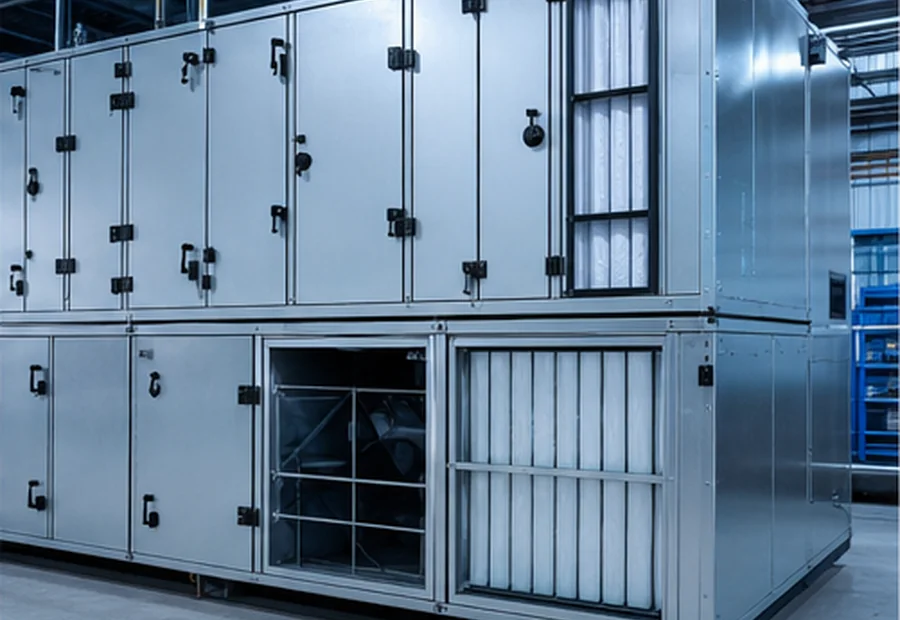
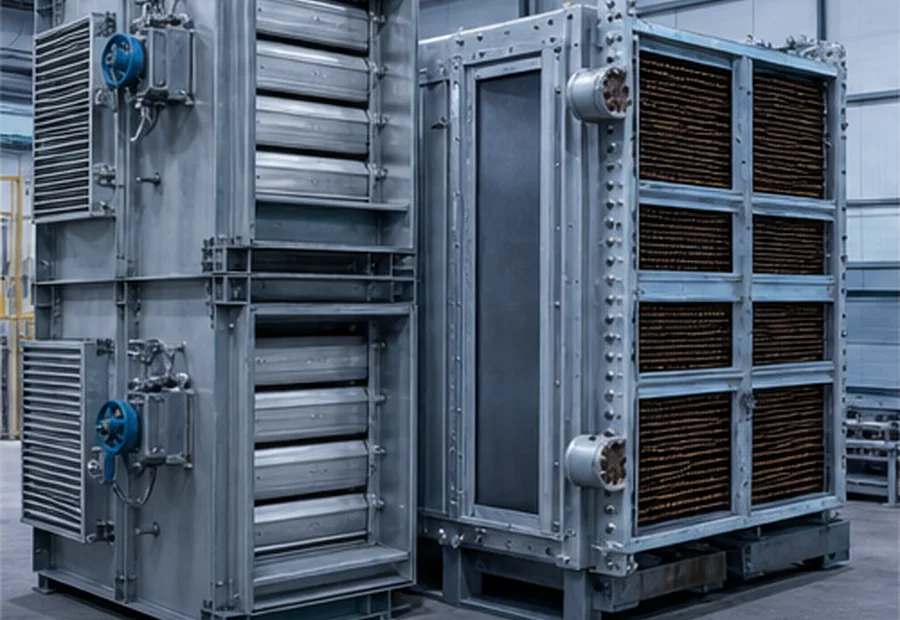
Heat recovery can also harness the energy of exhaust to heat replacement air, water or other compatible currents.
From potential to decision
The study should present a range of savings, the assumptions adopted, the planned investment and the sensitivity to production changes. Thus, the decision does not depend on a generic promise.
Talk to our engineering team.
We assess process conditions, constraints and objectives before recommending a technical approach.
Talk to an expert