Start with the energy balance
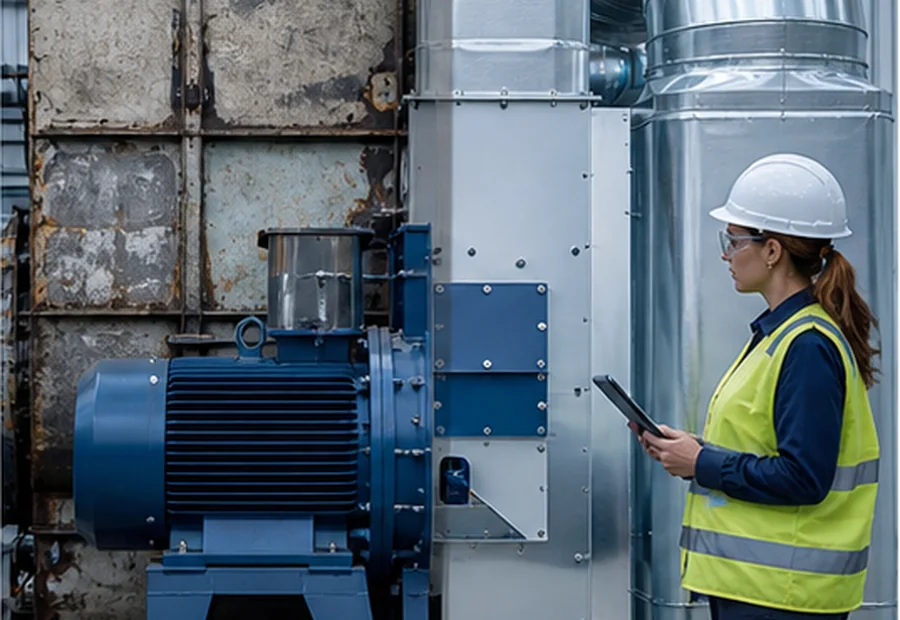
The first step is to understand where the energy enters, how it is used and by which paths it leaves the process. Measurements of temperature, flow, humidity and consumption help quantify what appears today only as cost.
Losses from surfaces, leaks, excessive exhaust and poorly used condensate should be evaluated in conjunction with the useful demand of the process.
Attack losses before increasing capacity
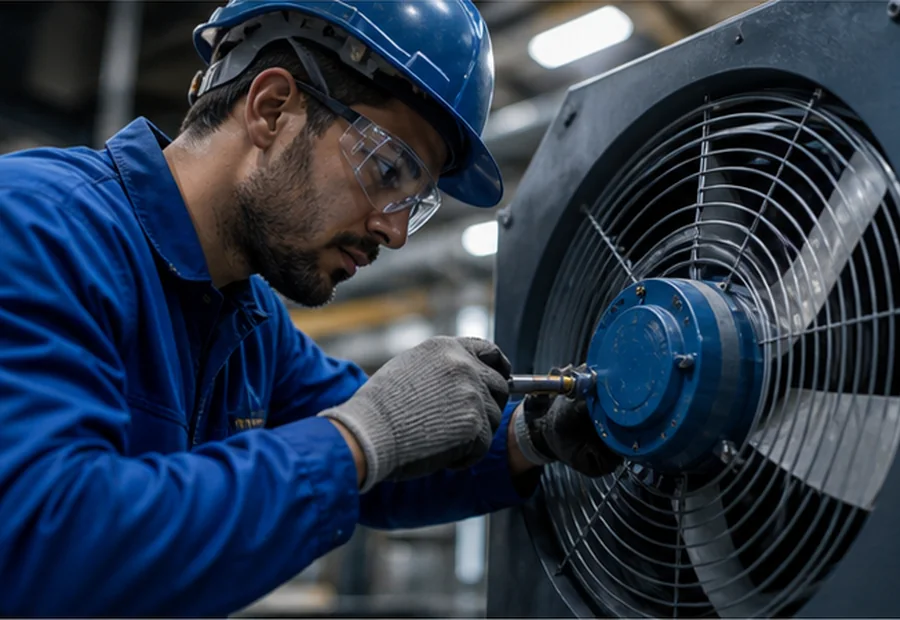
Insulation, sealing, air balancing and control adjustments often offer opportunities before replacing major equipment. These measures also improve the quality of data used to size an expansion.
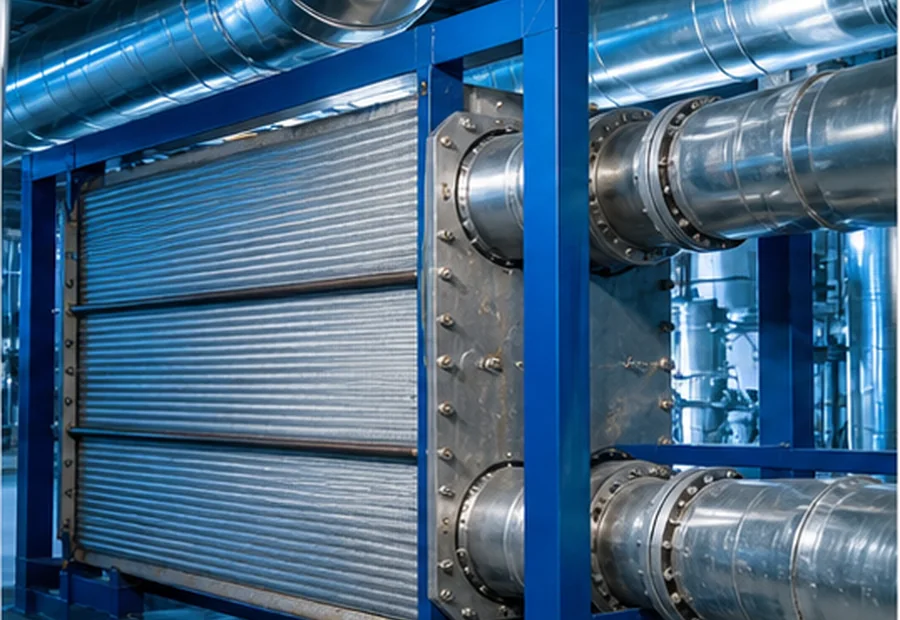
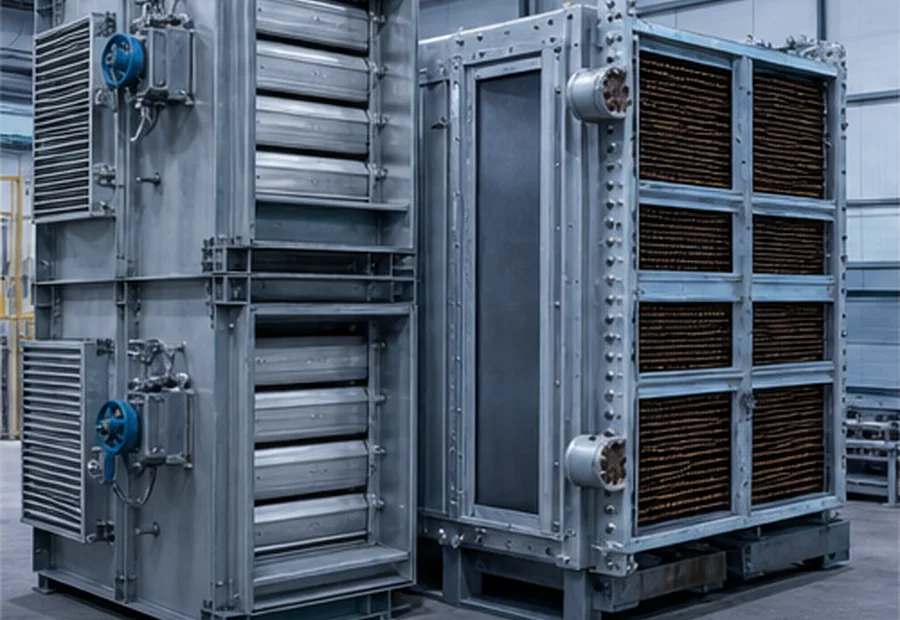
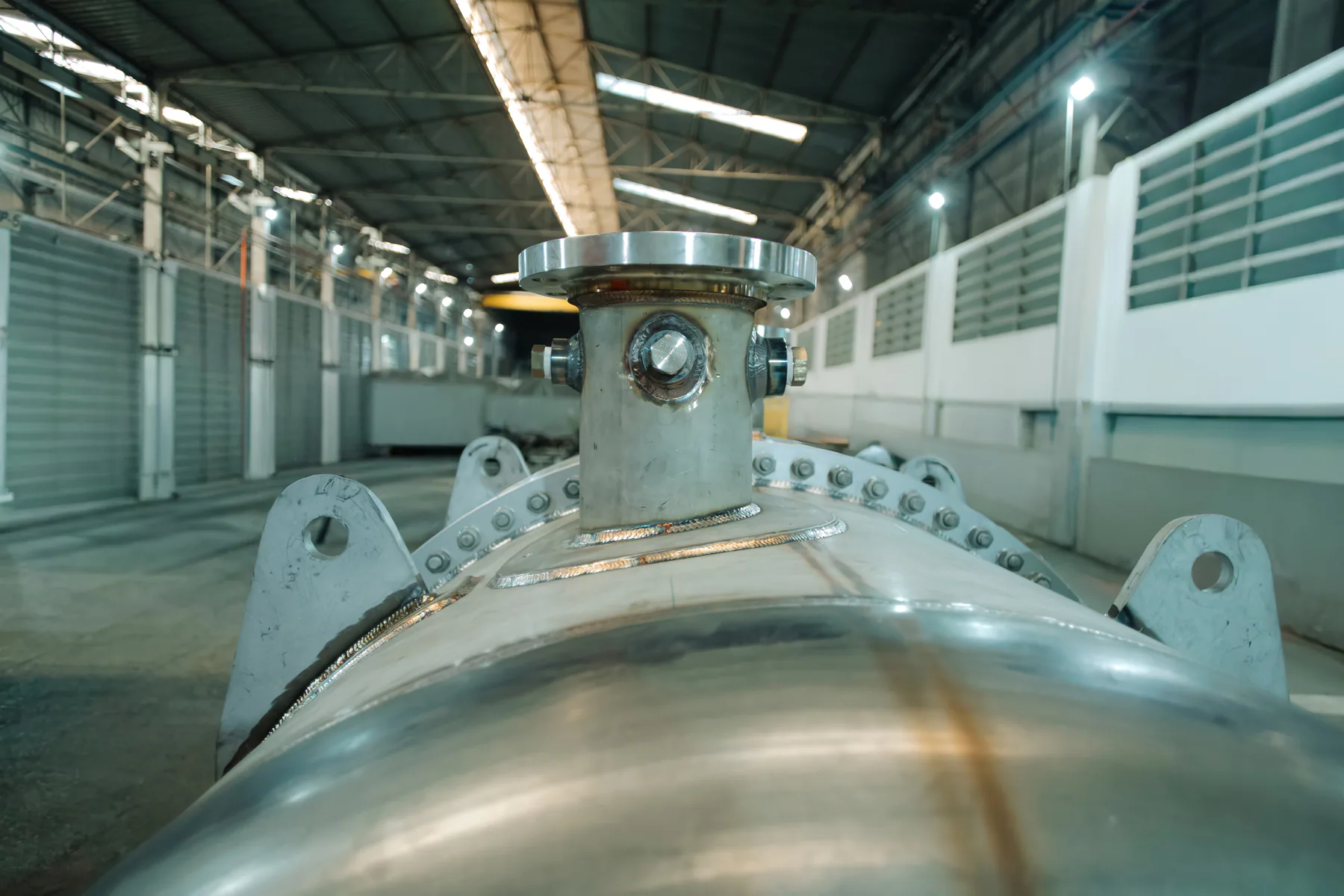
When there is heat available in exhaust or in hot currents, exchangers can recover part of that energy without mixing the fluids.
Prioritize total cost
The comparison should combine annual savings, downtime, maintenance, service life and deployment risks. The lower initial investment does not always produce the best result over the years.
Talk to our engineering team.
We assess process conditions, constraints and objectives before recommending a technical approach.
Talk to an expert