Transfer power with control
Heat exchangers transfer energy between streams at different temperatures without necessarily mixing them. Thermal load, fluid properties and temperature difference determine the surface area, geometry and configuration.
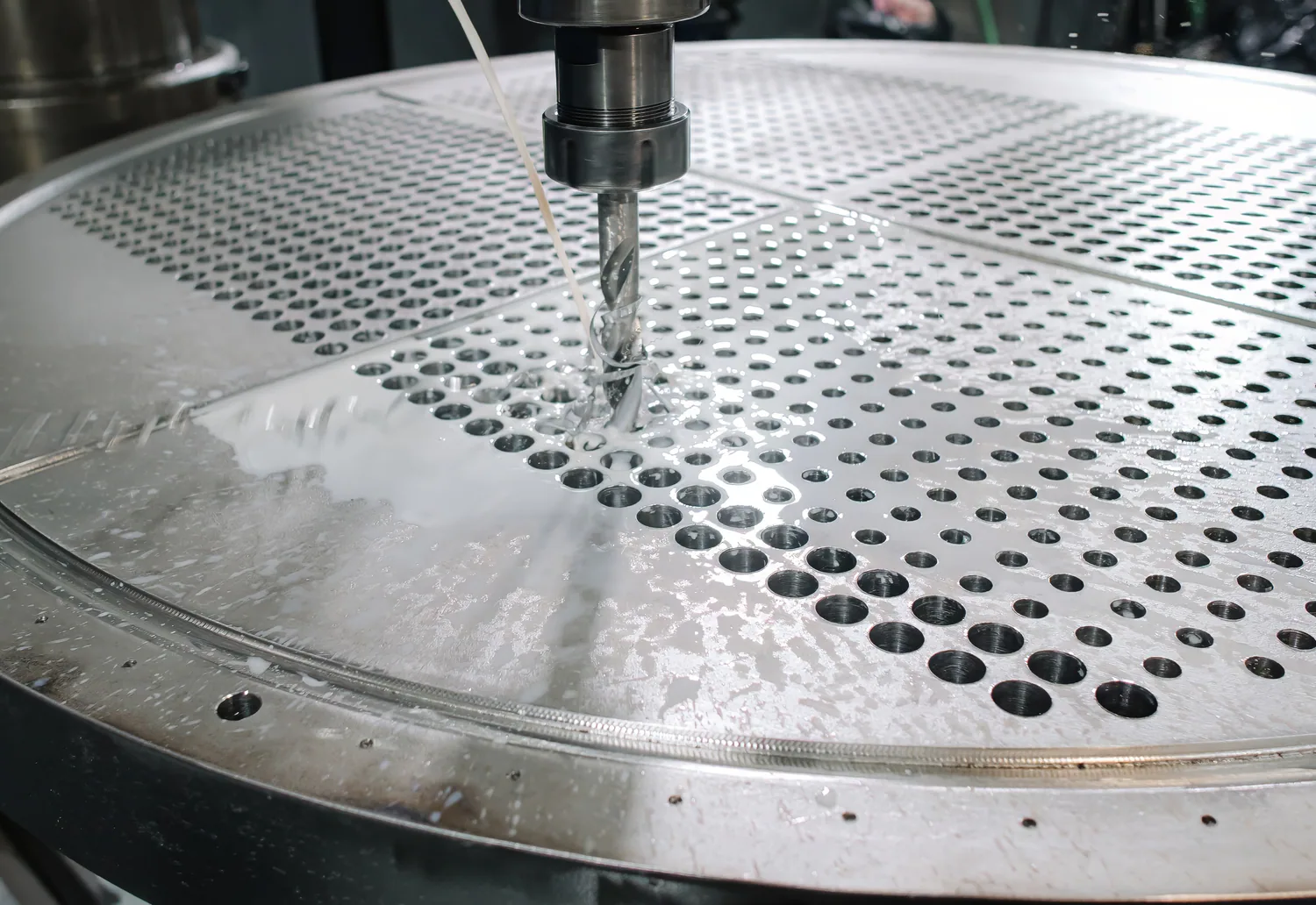
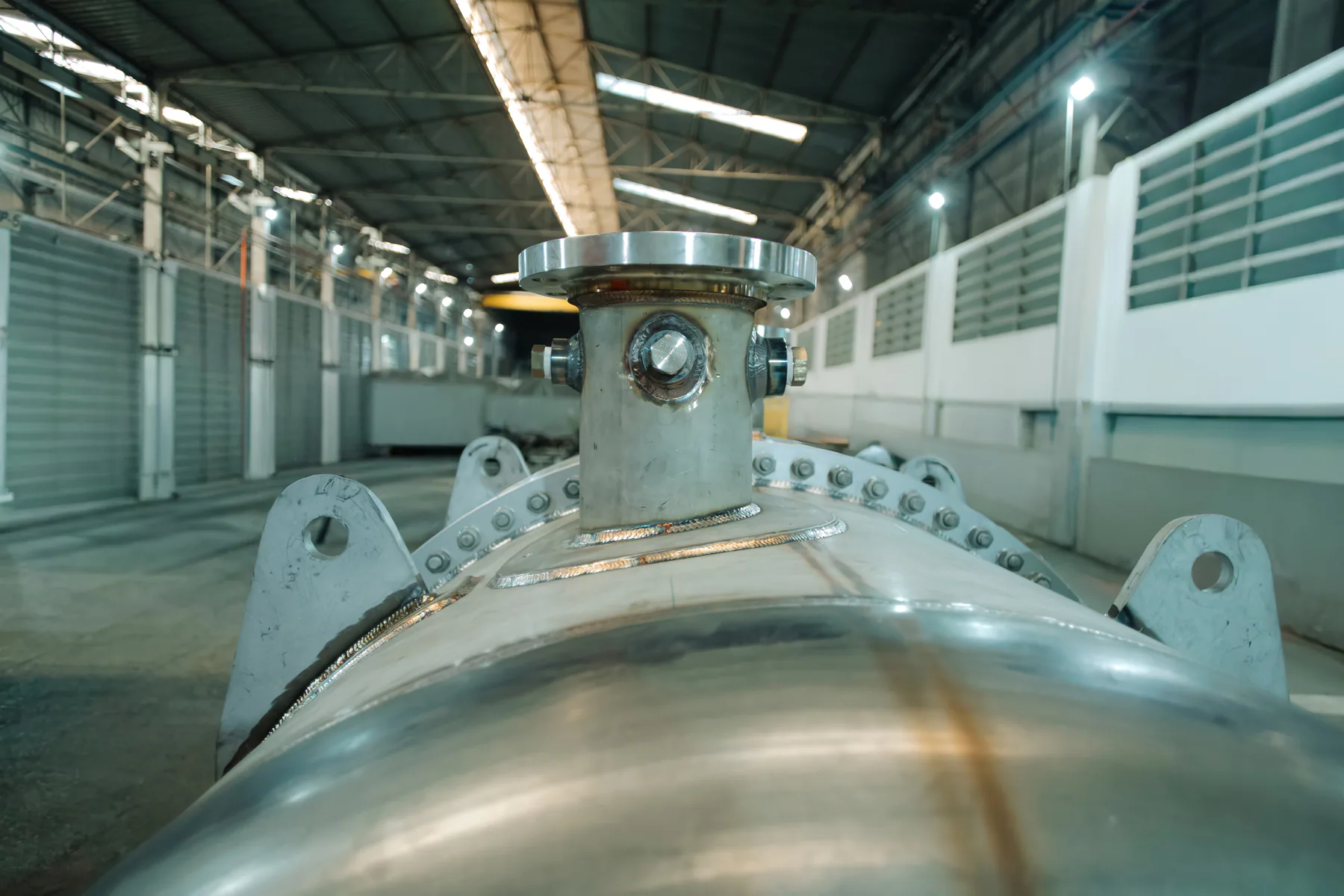
Pressure drop, fouling, corrosion and thermal expansion must be considered alongside rated performance.
The choice depends on the application
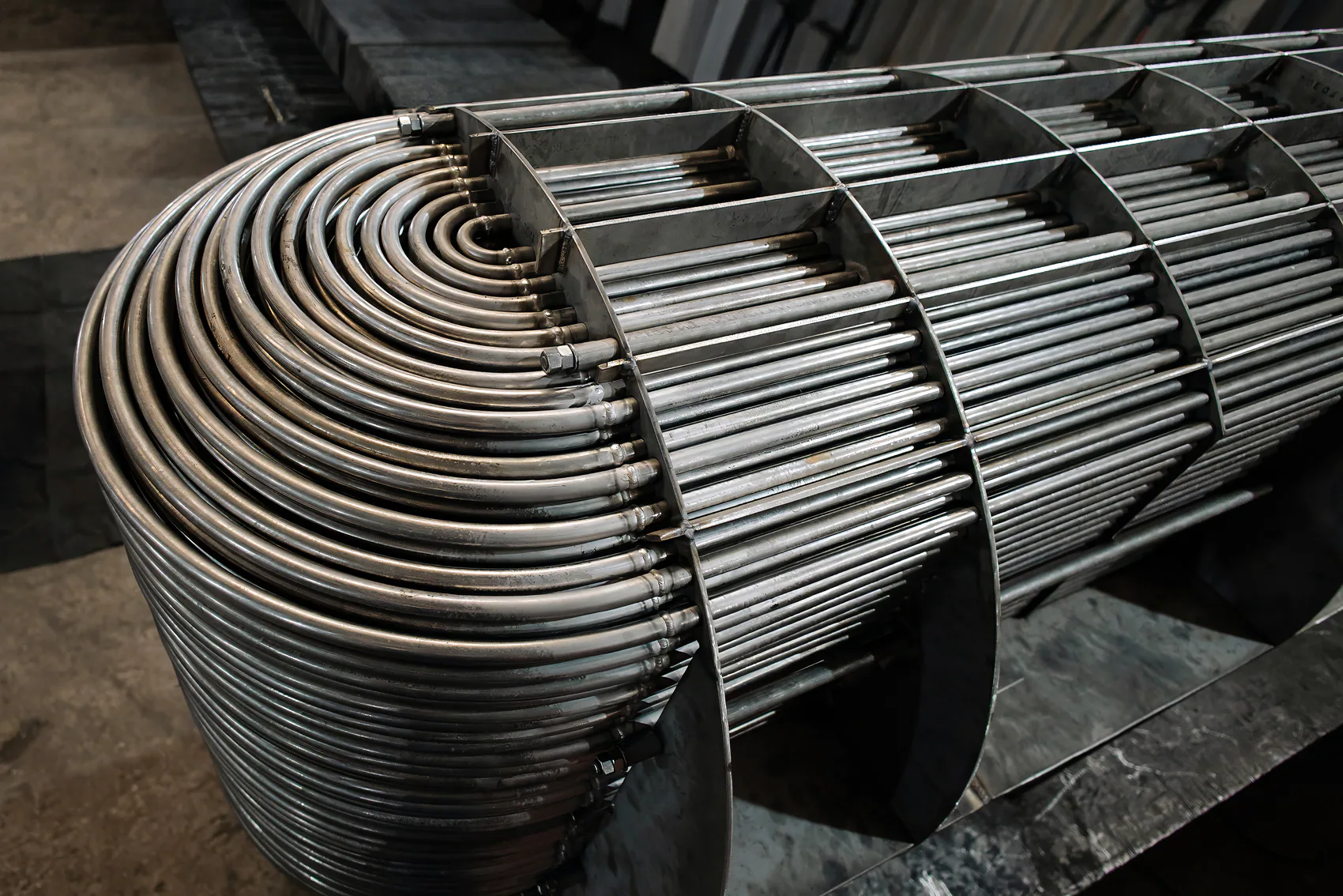
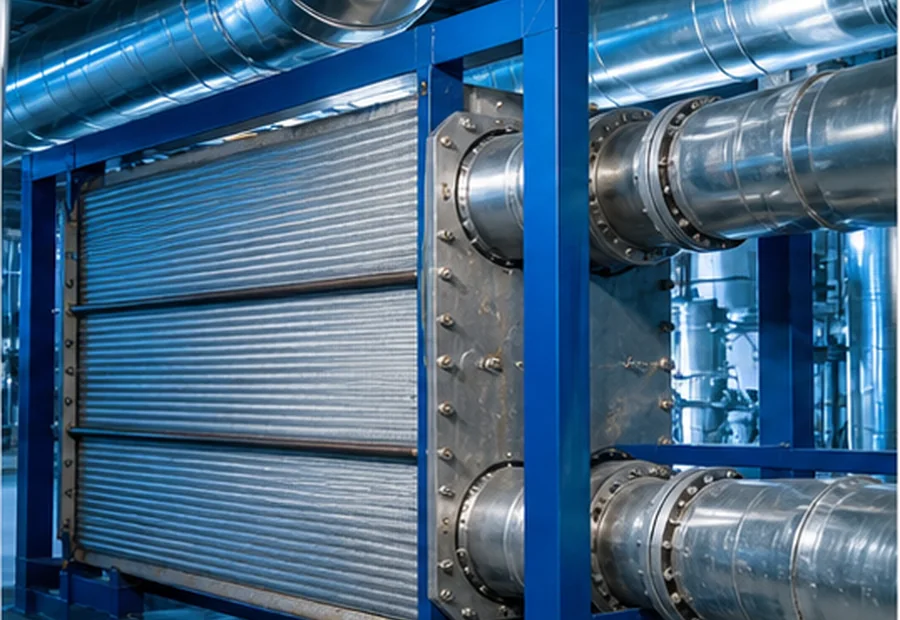
Shell-and-tube exchangers, coils and finned surfaces serve different needs. Space, cleaning access, pressure, temperature and materials can be as decisive as thermal capacity.
In heat recovery, the quality and availability of the source must be compatible with the demand that will receive the energy.
Maintenance preserves performance
Approach temperatures, flow rates and pressure drops help identify fouling or deviations. Scheduled inspections prevent gradual efficiency loss from going unnoticed.
Talk to our engineering team.
We assess process conditions, constraints and objectives before recommending a technical approach.
Talk to an expert