Flow and pressure work together
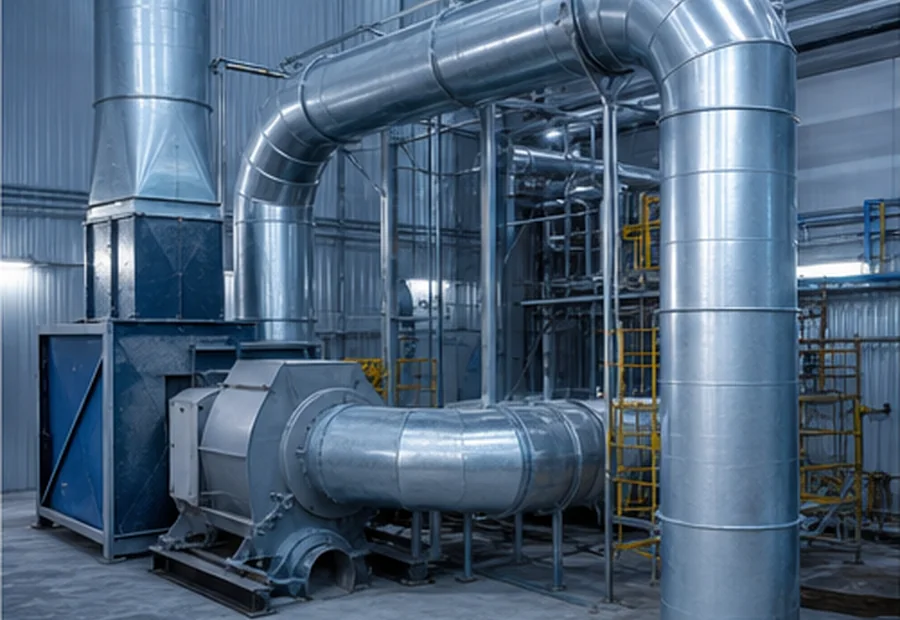
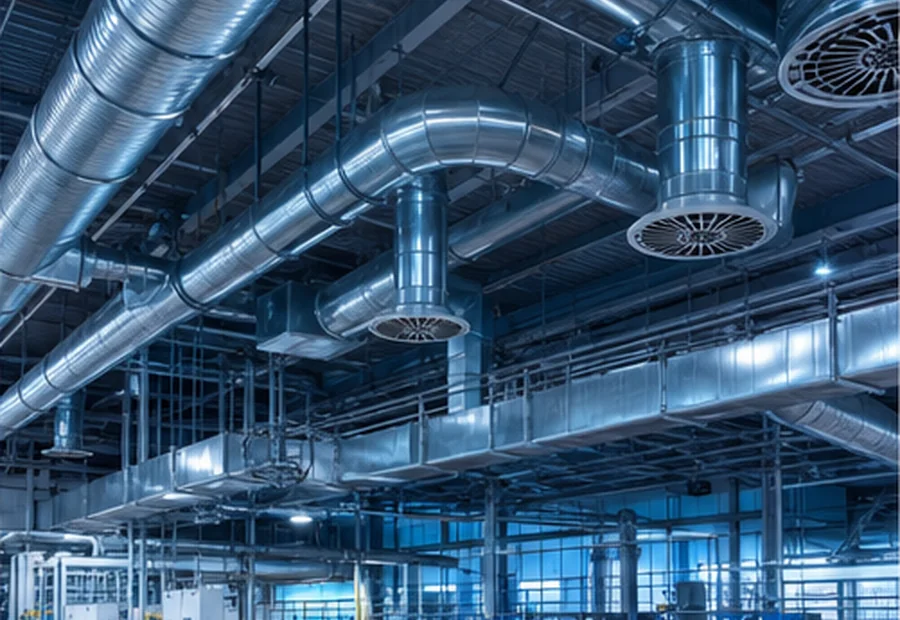
The fan supplies energy to the air to overcome system resistance. The operating point lies at the intersection of the fan curve and the system curve defined by ducts, filters, dampers and equipment.
Changing a constraint or rotation changes this point. Therefore, analyzing only the nominal flow rate is not enough to select or diagnose the equipment.
Axial or centrifugal
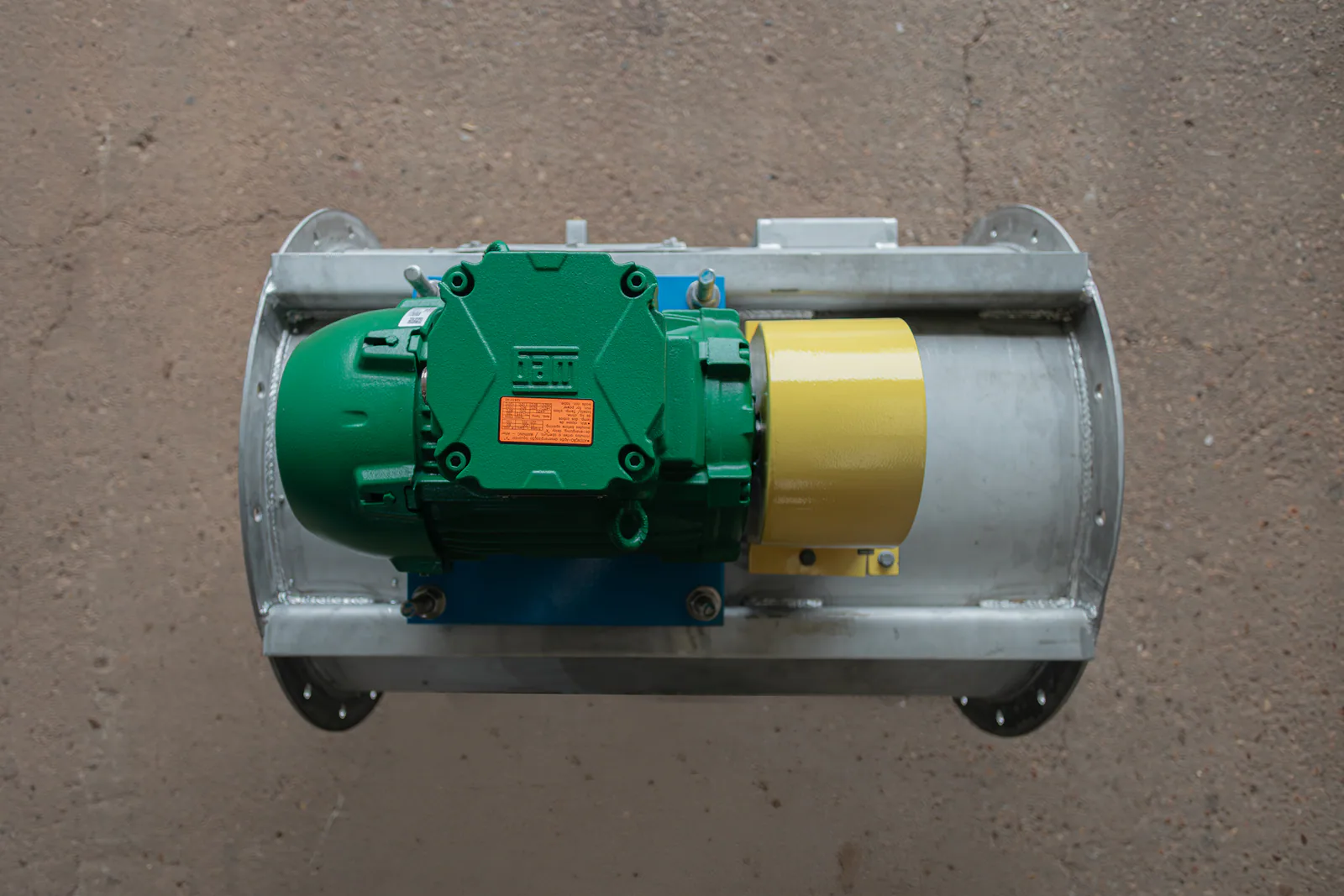
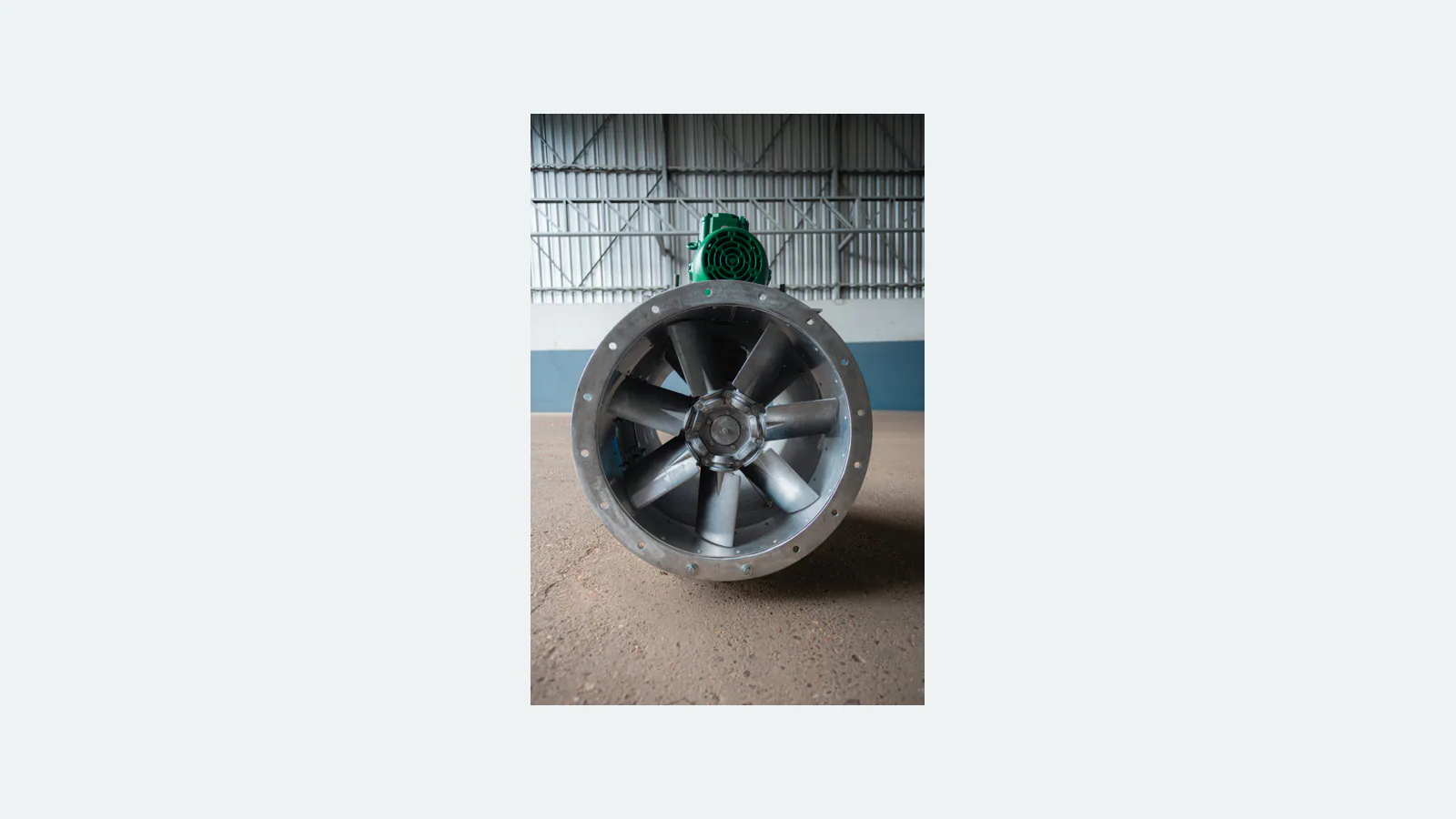
Axial fans handle high flow rates in compact configurations, while centrifugal fans cover a wide range of flow rates and pressures. Temperature, particles, noise, space and maintenance also influence the choice.
The rotor, the housing and the drive shall be specified for the gas composition and for the entire expected operating range.
Efficient and stable operation
Instrumentation, balancing, alignment and cleaning preserve performance. Variable-speed control is generally more efficient than dissipating pressure through dampers when the process requires frequent adjustments.
Talk to our engineering team.
We assess process conditions, constraints and objectives before recommending a technical approach.
Talk to an expert